Candigarh/Rohtak/New Delhi: The Shambhu border separating Haryana and Punjab turned a battleground on Tuesday as thousands of farmers faced off with columns of security personnel, who lobbed tear gas shells and fired water cannons towards protesters in a bid to keep them from barrelling through layers of barricading and marching towards Delhi.
Late on Tuesday, the protesters hit pause for the night, saying they would resume the stir in the morning even as the Centre said it was open to discussions.
The farm leaders said that 110 protesters were injured in clashes with the police, who in turn said that at least 25 security personnel were injured on the Punjab and Haryana borders due to stone-pelting by the protesters.
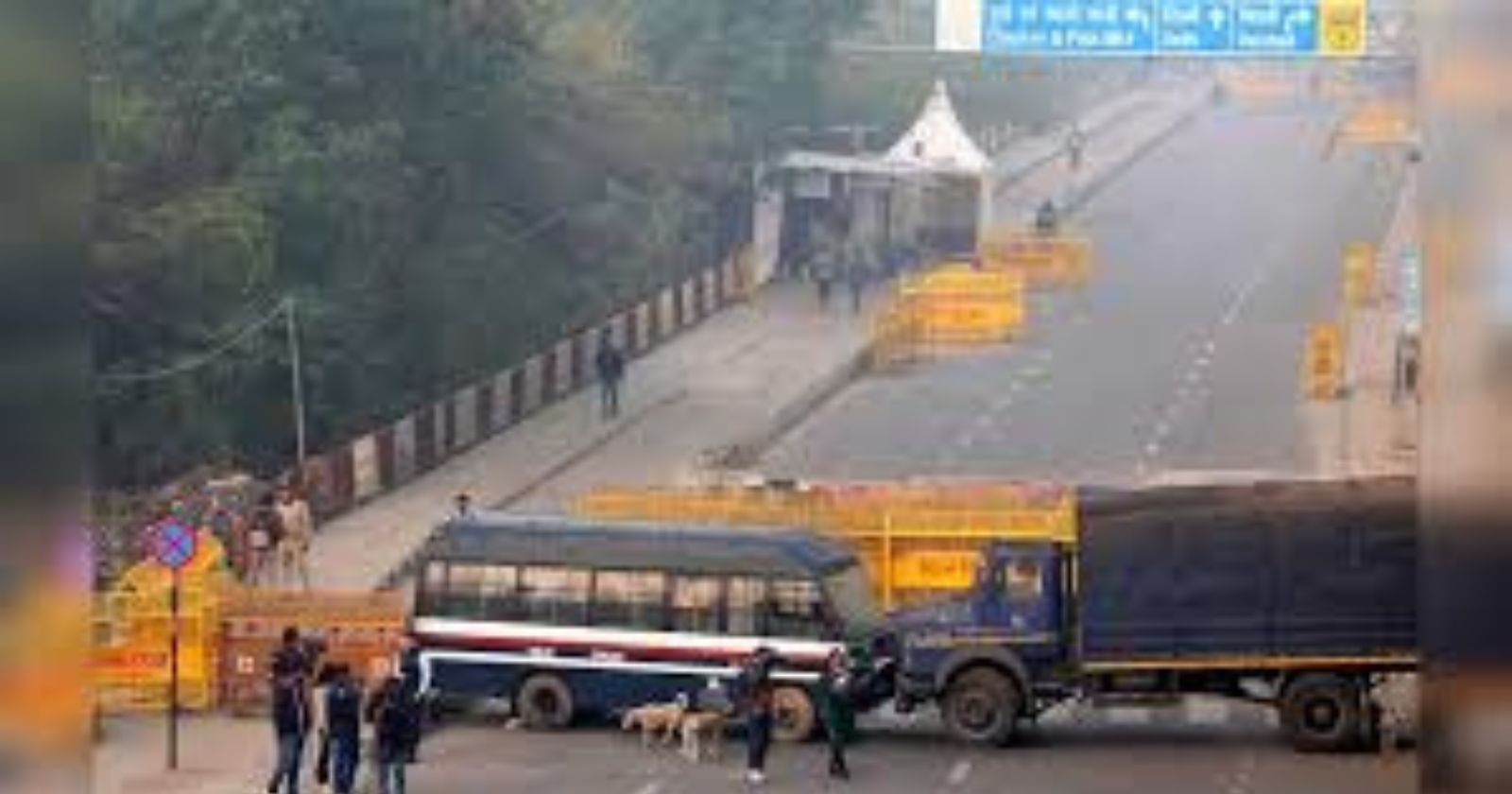
Meanwhile, anticipatory preparations by the Delhi Police in the national capital rooted commuters in their spots and threw traffic out of gear in several parts of the city, though the protesters were more than 200km away.
The Samyukt Kisan Morcha, a major farmers’ union, wrote to Prime Minister Narendra Modi on Tuesday accusing the government of trying to divide the agricultural organisations, and urging protesters to take part in a nationwide strike on February 16.
Union agriculture minister Arjun Munda said the Centre would not rush to frame a law on minimum support prices (MSP), one of the farmers’ key demands. “In the two rounds of discussions, we agreed to many of their demands. But there was no agreement on certain issues,” Munda said. “Announcements have been made only after a mature discussion. For that, we need to keep in mind the interest of every stakeholder.”
The farmers said their agitation would not end. “It is evening now. We will ask our youth that there should be a ceasefire from both sides. We will try again on Wednesday,” said Sarwan Singh Pandher, Kisan Mazdoor Sangharsh Committee Morcha (KMM) coordinator, one of the groups helming the protests.
The agitators are also seeking debt waivers, jobs for relatives of people killed during the 13-month-long farmers protest between November 2020 and December 2021, compensation for the farmers injured in Lakhimpur Kheri in October 2021, and the withdrawal of cases registered against protesting cultivators.
The protesters set off from their towns and villages at 10am on Tuesday, hours after negotiations between Union ministers Piyush Goyal and Arjun Munda and farmers ended in a deadlock on Monday night.
They then converged on border points in Punjab and Haryana between noon and 2pm, said police officers.
Their routes cut off, restive protesters tried to mow through layers of security barricades and head on towards Delhi, with thousands of police personnel struggling to keep the agitators, travelling atop trucks and tractors, at bay.
Haryana Police used drones to drop tear gas shells on farmers at the Shambhu and Jind borders (which separate Punjab from Haryana) as they made their way through the initial levels of blockading, with protesters accusing the forces of cruelty. Farmers in Jind were also baton-charged by the police, with several farmers detained over the violence, but released hours later.
“Today is a black day in India’s history. The way the Modi government attacked farmers and farm labourers is shameful,” said Pandher.
Haryana Police spokesperson and assistant inspector general (AIG) Manisha Chaudhary said, “The police used tear gas to control the situation. No one will be allowed to create nuisance and those doing so will be dealt with strictly. Respect the law and maintain peace.”
Residents of Delhi felt the effects of the bedlam.
Traffic was in disarray for people travelling between Delhi and its neighbouring cities, especially Ghaziabad and Noida, as 2,000 police personnel fanned out and seale. CNI