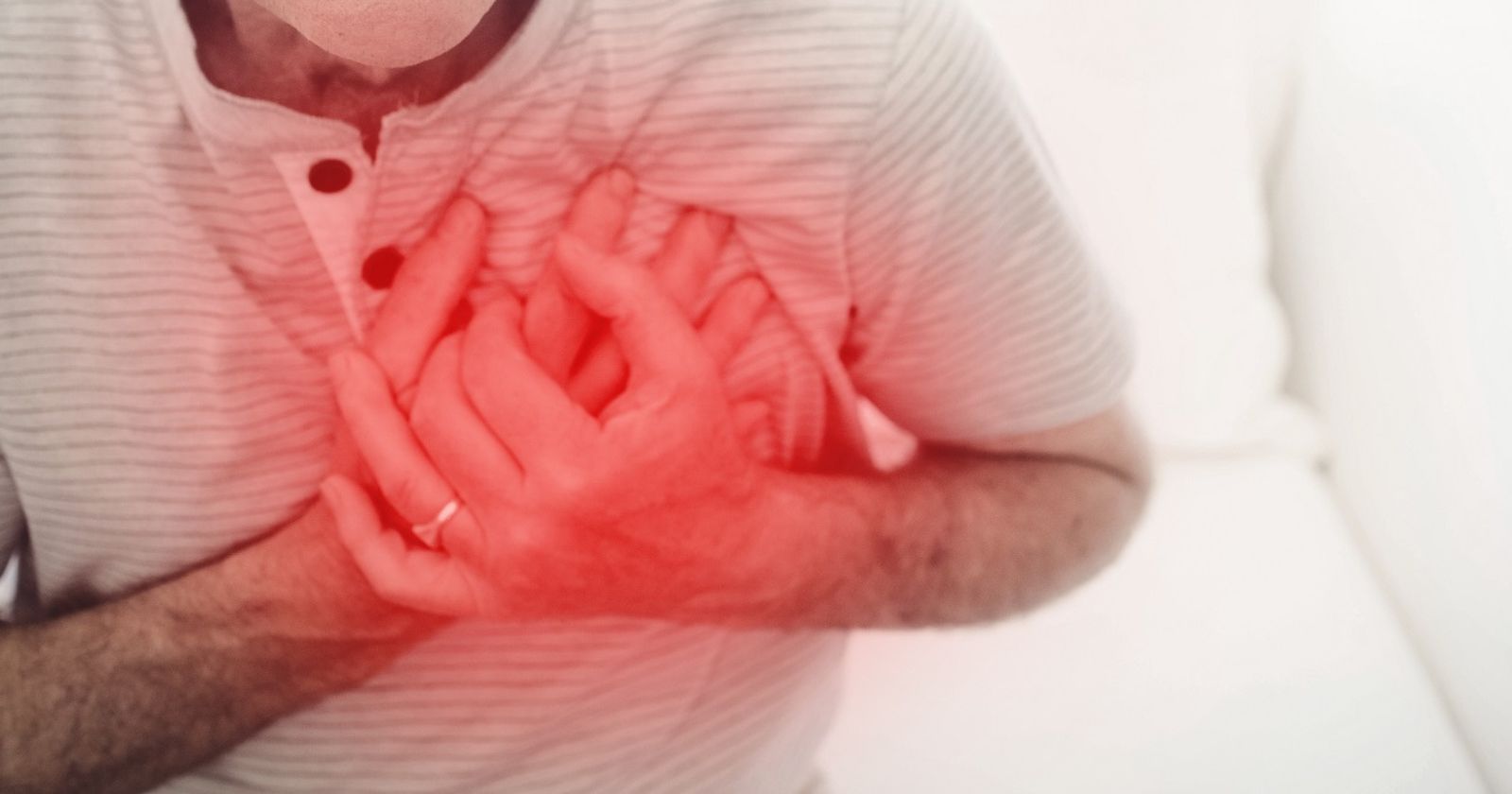
Cardiac arrests happen anywhere, anytime. According to doctors, many activities like taking a shower or using the toilet play an important part in triggering the condition when your heart stops beating suddenly.
A lack of blood flow to the brain and other organs causes a person to become unconscious, disabled, or die if not treated immediately.
Experts say many people have a higher risk of cardiac arrest as activities like bowel movements or bathing can stress the body.
Why does cardiac arrest happen in a toilet?
According to doctors, this malfunction of the heart causes an irregular heartbeat due to the stress these activities can put on your body. While pooping, many people strain or exert themselves putting stress on their hearts. And if they already suffer from some cardiac troubles, it could trigger a sudden cardiac arrest.
Going to the toilet also causes a condition known as vasovagal response, which happens due to pressure on the vagus nerve that slows your heart rate.
Apart from that, even showering in extremely cold or hot water can impact your heart rate. Doctors say your body temperature adjusts in the shower, putting stress on your arteries and capillaries.
Doctors say those who have a high risk for heart condition are mostly constipated due to many reasons like reduced fluid intake, and reduced mobility like not walking enough or being active.
Apart from that – medicines, loss of appetite, poor intake of healthy foods, and reduced blood flow to the digestive tract are also some of the factors that cause constipation.
Signs and symptoms
For those who need any assistance in the bathroom, it is important to get help if you have the following signs:
Chest pain
Sudden breathlessness
Dizziness
Vomiting
Difficulty breathing
Fainting
What increases the risk of a cardiac arrest?
According to experts, the following factors can heighten your risk of cardiac arrest:
Obesity and being overweight
High blood pressure
Having arrhythmias after a previous heart attack
Diabetes
A family history of heart disease
Heart valve disease
Have major changes in the amount of potassium and magnesium in your blood
Use of recreational drugs or drugs that increase the risk of life-threatening arrhythmias
What to do when you are in a bathroom?
According to doctors, you can follow a few easy ways to practice safe habits when you are in the bathroom:
Do not immerse yourself in hot water over your chest
Set a timer or alarm when you are in the bathtub
Do not take a hot bath after you have consumed a sleeping aid or relaxant medication
Keep your phone with you within arm’s reach when you are in the bathroom.(CNI) Current News of India