Jammu : In contemporary society, the notion of government-provided free services is often viewed as an ideal solution to social inequalities and economic hardships. However, the concept of having everything free,like electricity, water, medicine, ration, quarters, free transportation & buss es , free bank loans, etc from the government is fraught with significant drawbacks and can be likened to a disease that undermines individual responsibility, economic efficiency, and societal progress.
First and foremost, providing everything for free from the government diminishes personal accountability and erodes the work ethic. When people become overly reliant on government handouts, they lose the motivation to strive for self-improvement and personal success. This dependency creates a cycle where individuals expect continuous support without contributing productively to the economy. Such a culture stifles innovation and entrepreneurial spirit, as there is little incentive to take risks or pursue new ventures when basic needs are perpetually guaranteed without effort.
Moreover, the financial sustainability of providing everything for free is highly questionable. Governments operate on taxpayer money, and the resources needed to fund extensive free services are immense. This can lead to higher taxes, increased national debt, and ultimately, economic instability. The burden of funding these services falls on the working population, creating a strain on economic productivity and potentially leading to reduced investment in other critical areas such as infrastructure, education, and healthcare.
The provision of free services also risks creating a sense of entitlement among citizens, which can erode social cohesion and increase societal tensions. When people expect the government to cater to all their needs, it can lead to unrealistic demands and discontent when those expectations are not met. This sense of entitlement undermines the social contract, where individuals have a responsibility to contribute to the common good, not just reap its benefits.
In conclusion, while the idea of having everything free from the government may appear benevolent and charitable, but it has significant drawbacks. It fosters dependency, strains financial resources, reduces service quality, and promotes a harmful sense of entitlement. A balanced approach that encourages personal responsibility, supports sustainable economic practices, and ensures high-quality services through market mechanisms is essential for a thriving and resilient society. We must recognize that true empowerment comes from opportunities to succeed through one’s own efforts, not from perpetual reliance on government provisions.
“Over all it efforts in large to respectability and self pride.CNI
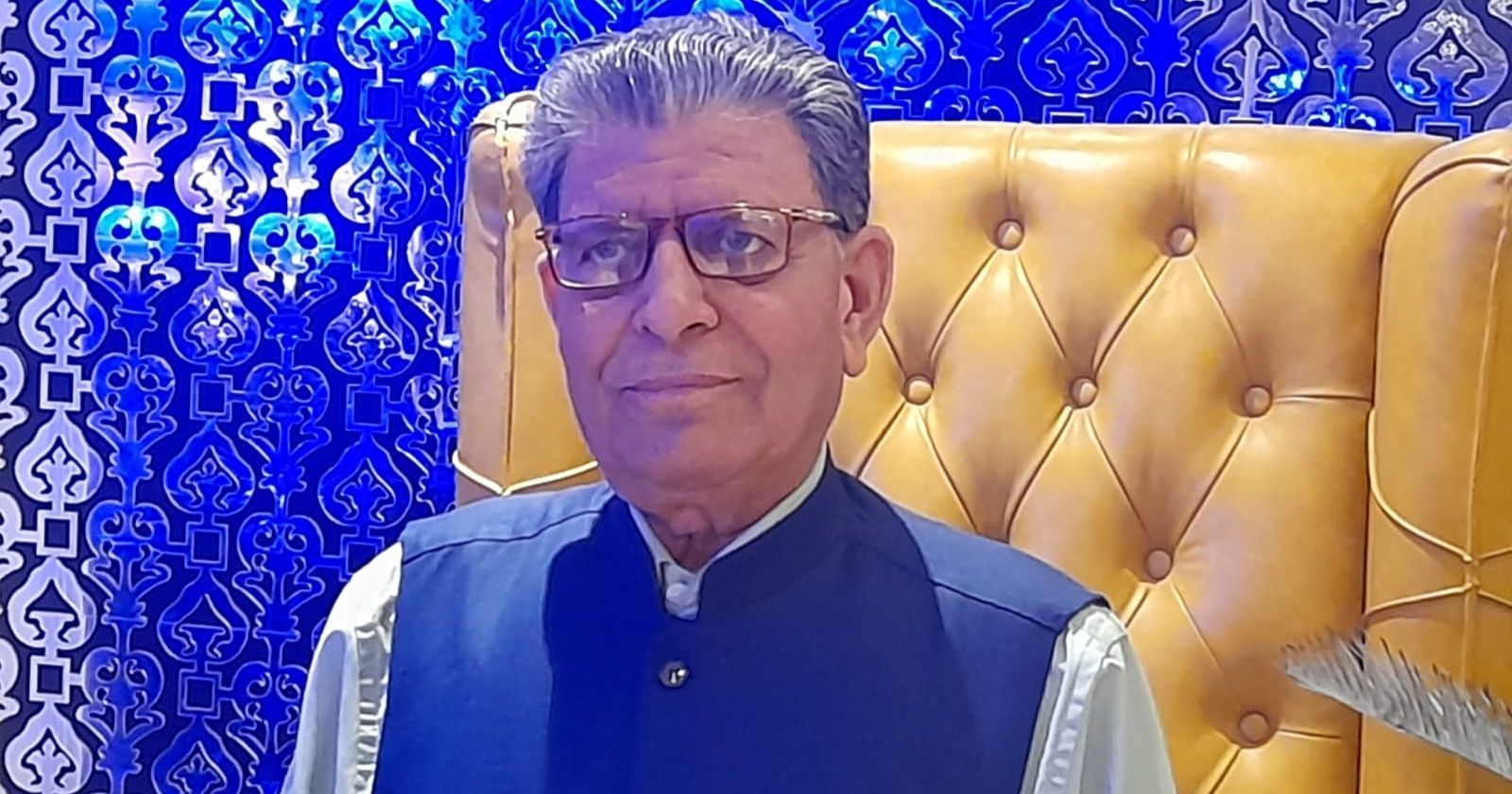
[ Kundan Kashmiri ]
Freelance writer and President KPC
kundankashmiri@gmail.com.
Mobile No 880 2167955