The most disturbing reality confronting the victim displaced Kashmiri Pandit community today is not merely the injustice inflicted upon us in the past, but the quiet erosion of our collective strength in the present. More than three and a half decades of exile have pushed us into a dangerous zone of acceptance, fatigue, and fragmentation. The question before us is brutally honest: are we, as a victim community, truly doing what is required to safeguard our survival, dignity, and future, or have we slowly surrendered without realizing it?
Our population is shrinking, not as a statistic but as a lived reality. Fewer children, delayed marriages, rising divorces, and growing inter-caste and inter-faith unions without any collective concern for demographic continuity have weakened the very foundation of our existence. A community that once stood tall in numbers, confidence, and cultural continuity is now struggling to reproduce itself. History is unforgiving to communities that fail to sustain their numbers, for numerical decline ultimately leads to political irrelevance and cultural invisibility.
Equally alarming is the widening disconnect between the community and its youth. Burdened by personal struggles and shaped by years of displacement, many young men and women today remain detached from collective concerns. The pain of exile has not transformed into responsibility or resolve; instead, it has bred exhaustion and indifference. Without the active involvement of youth, no community can hope to revive itself, let alone fight for justice.
Perhaps the most painful loss we must acknowledge is the gradual erosion of our intellectual strength, once the greatest hallmark of the Kashmiri Pandit identity. Historically, our community produced scholars, administrators, thinkers, scientists, and academicians who commanded respect far beyond Kashmir. Today, that legacy stands weakened. Very few of our young men and women are pursuing serious academic careers or striving for excellence in higher education institutions. The number of Kashmiri Pandit youths preparing for civil services, advanced research, scientific innovation, and academic scholarship is distressingly low. A community that abandons intellectual leadership surrenders its moral authority and long-term influence. Without scholars, educators, administrators, and thinkers, our voice fades from policy, governance, and national discourse.
Another disturbing reality is the silent reconciliation that seems to have overtaken the community psyche. Exile has begun to feel permanent, injustice routine, and humiliation normalized. Except for a handful of sincere and committed activists who continue to raise their voices against injustice, the larger community remains passive, divided, and inward-looking. Silence, in our case, is not wisdom or patience; it is slow self-erasure.
Our internal social decay has further deepened this crisis. We waste precious resources on unnecessary social extravagance, competitive ceremonies, and hollow displays of status, while neglecting community causes, educational support, legal battles, and collective rehabilitation efforts. At the same time, our elders, who once carried the wisdom, values, and cultural memory of the community, are increasingly isolated, emotionally neglected, and left to age in loneliness. The erosion of patience, tolerance, discipline, mutual respect, and collective responsibility is visible everywhere. Family bonds are weakening, divorces are increasing, emotional connect is diminishing, and traditional values of simplicity, integrity, and restraint are rapidly fading.
Politically too, we stand weaker than ever. Divided, disorganized, and lacking a unified vision, we are easily used by political parties that remember us only during elections. Our pain is invoked for sympathy, our suffering reduced to slogans, and our votes sought without accountability. We neither assert ourselves collectively nor punish political betrayal. As a result, we remain spectators to decisions that determine our fate. Disunity has reduced us from stakeholders to tools.
The cumulative effect of all this is devastating. External forces destroyed our Janum Bhoomi, but internal drift now threatens our very existence. This truth may be uncomfortable, but it must be confronted if we wish to survive as a distinct, dignified community.
The way forward demands courage, honesty, and unity. We must stand for each other beyond personal interests and organizational egos. We must rebuild community consciousness, especially among our youth, by reconnecting them with our history, values, and responsibilities. We must redirect our priorities from social showmanship to community empowerment, from silence to assertion, from individual comfort to collective security. We must revive our intellectual traditions, encourage higher education, research, civil services, and academic excellence, and once again position our community as a knowledge-driven force. Above all, we must reclaim our political agency with one voice, clear demands, and uncompromising accountability.
No government, no institution, and no external power will save us if we do not first save ourselves. The Kashmiri Pandit community has survived centuries of adversity through intellect, resilience, and unity. If we act together now, with clarity and conviction, the future can still be shaped. But time is no longer neutral; it is working against us.
The real question is no longer what the world owes us.The real question is whether we are ready to do what our survival demands.
“Let our community answer and introspect”
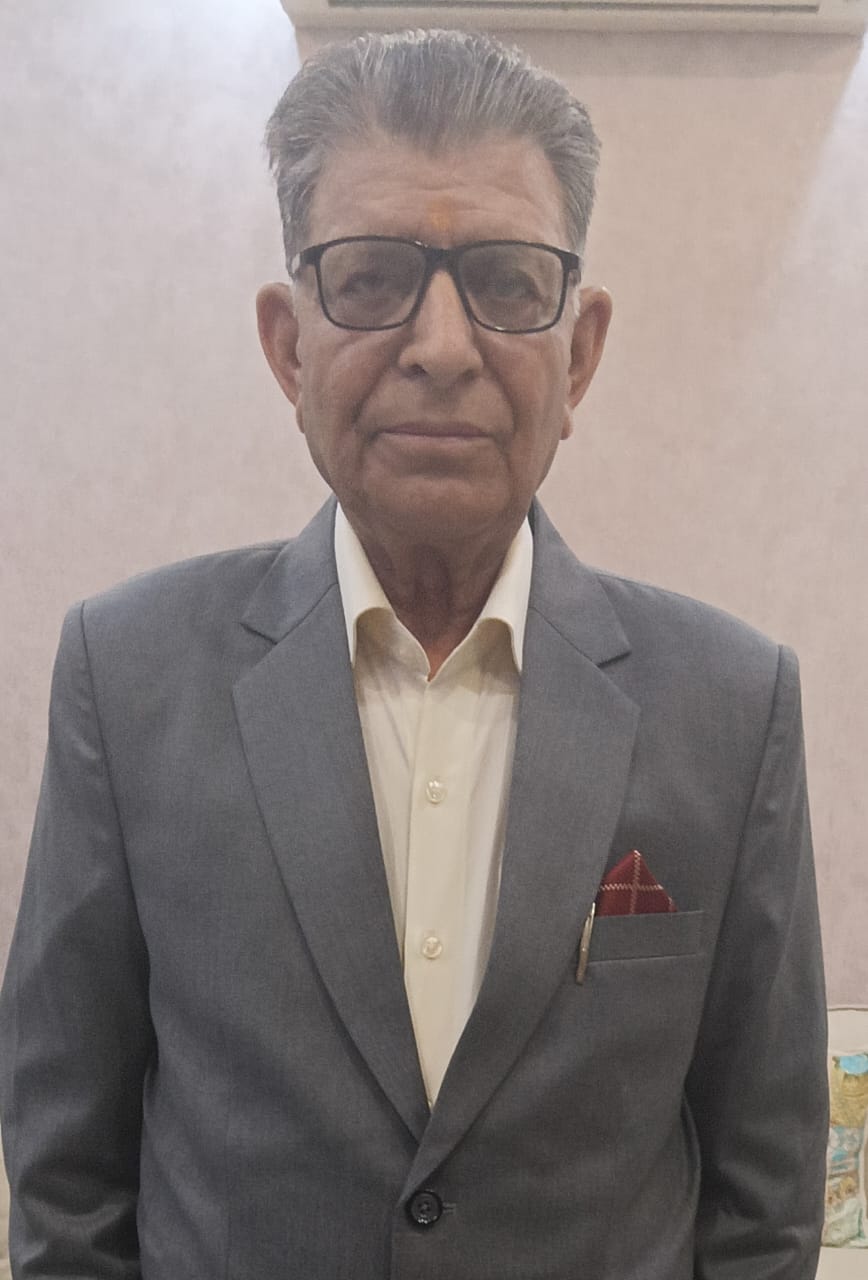
SEVAK [ Kundan Kashmiri]
Civil society activist, Kashmir Watcher, Freelancer & President Kashmiri Pandit Confrence ( KPC )
Mobile No 8802167955
Email — kundankashmiri@gmail.com